


History
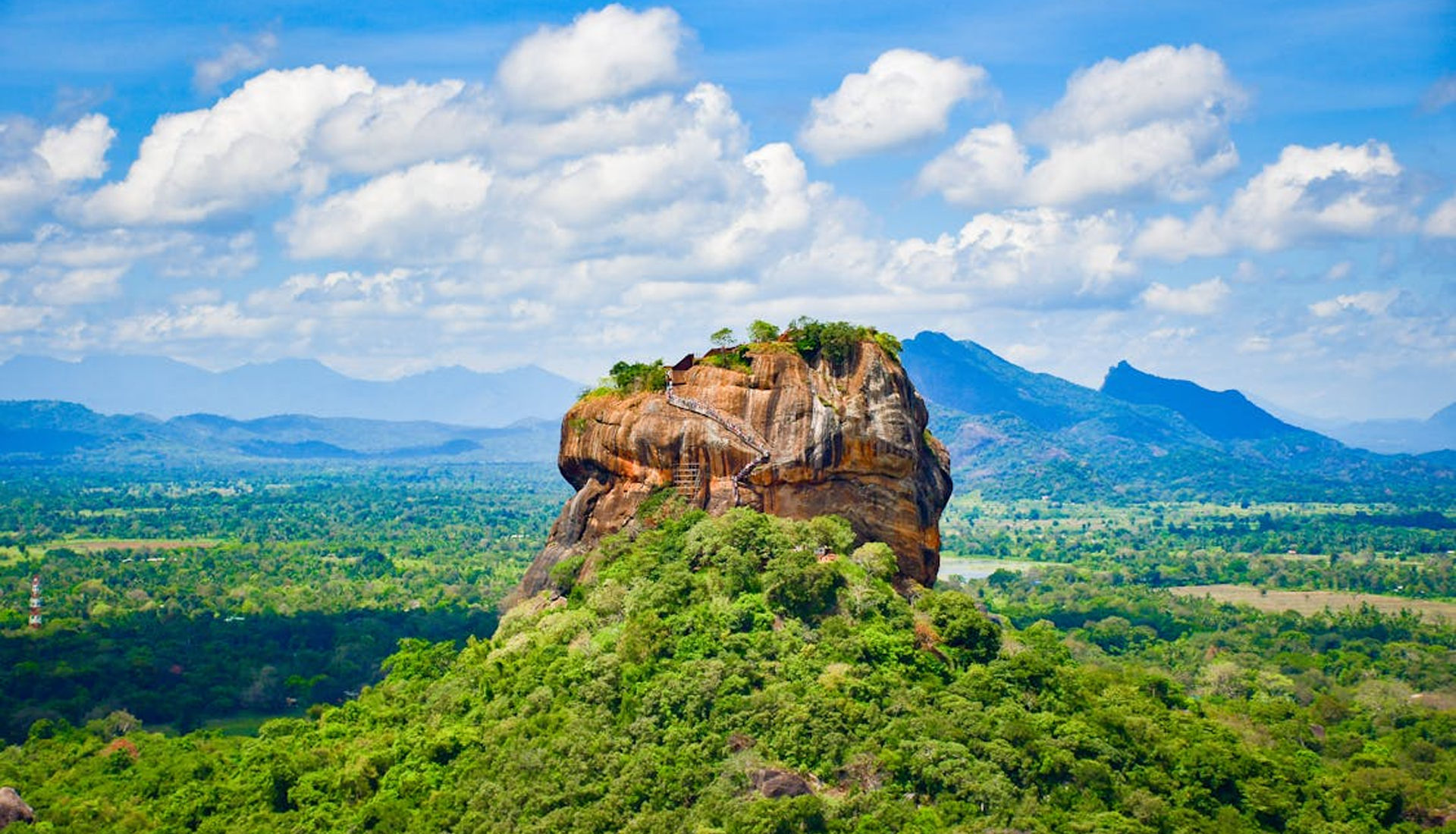
Sri Lanka, formerly known as Ceylon, has a rich and ancient history dating back over 2,500 years. The island has been home to powerful kingdoms such as Anuradhapura, Polonnaruwa, and Kandy, each contributing to its cultural and architectural legacy. Sri Lanka’s strategic location made it an important hub for trade, attracting merchants from Arabia, India, and Europe. During the colonial era, the Portuguese, Dutch, and British ruled the island at different periods, shaping its political and social landscape. Sri Lanka gained independence from British rule in 1948 and has since grown into a thriving nation known for its cultural diversity, natural beauty, and resilience.
Sri Lanka’s history is deeply rooted in its ancient kingdoms, Buddhist heritage, and vibrant cultural evolution. The golden eras of Anuradhapura and Polonnaruwa left behind impressive stupas, temples, and irrigation marvels. The colonial period also played a significant role in shaping modern Sri Lanka, influencing its economy, architecture, and governance.
The nation continues to uphold its cultural traditions while embracing modernization. Despite challenges in its contemporary political landscape, Sri Lanka remains a nation of unique charm, historic depth, and unmatched hospitality.
Best-Selling Sri Lanka Tour
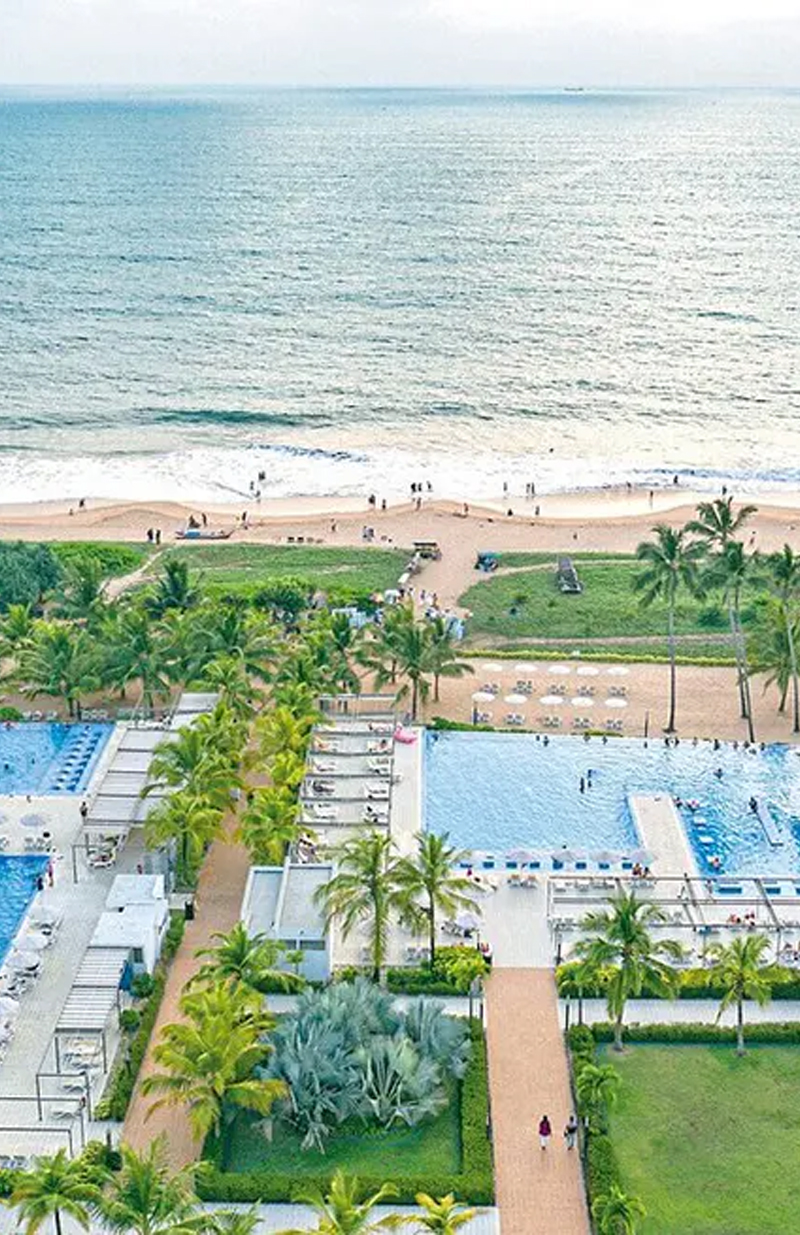
Ultimate All-Inclusive Paradise at Riu Sri Lanka
£1628.93 £1189Good to Know
Country
Visa Requirements
Language Spoken
Currency Used
Area (km2)
Geography
Sri Lanka is a tropical island nation located in the Indian Ocean, southeast of India. It is known for its diverse landscapes, including golden beaches, lush tea plantations, rainforests, ancient cities, and wildlife-rich national parks. The island’s central highlands feature misty mountains and cooler temperatures, while the coastline offers warm weather year-round. Sri Lanka is surrounded by the Indian Ocean, with the Palk Strait and Gulf of Mannar to the northwest. Its rich biodiversity and varied terrain make it one of the most geographically stunning destinations in Asia.
Sri Lanka’s geography ranges from sandy coastlines and coral reefs to mountainous terrains and dense jungles. Regions like Ella, Nuwara Eliya, and Kandy offer breathtaking highland views, while the southern and eastern coasts provide world-famous beaches and marine life. The country’s tropical climate supports a rich variety of plant and animal species.
Its combination of natural beauty, wildlife diversity, and scenic landscapes makes Sri Lanka a perfect destination for nature lovers, adventure seekers, and beach enthusiasts.
Culture
Sri Lanka’s culture is a vibrant mix of Buddhist, Hindu, Muslim, and Christian traditions influenced by its long history and diverse ethnic groups. The island is famous for its ancient Buddhist temples, colorful festivals, traditional Kandyan dance, and arts such as wood carving and weaving. Sri Lankan cuisine, known for dishes like rice and curry, hoppers, kottu roti, and seafood specialties, is an essential part of its cultural identity. Festivals such as Vesak, Sinhala & Tamil New Year, and Esala Perahera highlight the nation’s rich heritage and devotion.
The country beautifully blends ancient rituals with contemporary lifestyle influences. Sri Lanka maintains pride in its traditional arts, temple ceremonies, hospitality, and globally recognized cuisine, while steadily modernizing.
Why You Should Visit
Sri Lanka is an extraordinary destination offering a mix of pristine beaches, lush mountains, wildlife safaris, cultural heritage sites, and warm hospitality. From ancient cities like Anuradhapura and Sigiriya to the scenic tea country of Ella and Nuwara Eliya, Sri Lanka provides unforgettable experiences. Its tropical climate, diverse cuisine, vibrant markets, and beautiful coastline make it a must-visit destination in South Asia. Whether you’re seeking adventure, relaxation, or cultural immersion, Sri Lanka promises an enriching and memorable journey.